.svg)
.svg)

How to Get Cited by Generative AI
A step-by-step GEO citation strategy for making your content easier for ChatGPT, Perplexity, Gemini, Claude, Copilot, Google AI Mode, and AI Overviews to retrieve, trust, cite, and recommend.
There are two kinds of brands in AI search: brands that appear when buyers ask ChatGPT, Perplexity, Gemini, Claude, or Copilot about their category, and brands that remain outside the conversation.
The difference is not simply advertising spend, domain age, or luck. Generative systems look for a combination of crawl access, passage clarity, factual usefulness, entity confidence, authority, freshness, and external proof.
This is a core part of Generative Engine Optimization: making evidence easy to discover, verify, and reuse.
Getting cited by generative AI is not random. Your content must be discoverable, extractable, specific, trustworthy, clearly attributed, and supported by a consistent entity footprint.
How Generative AI Systems Select and Cite Sources
Direct answer: Generative AI systems cite sources by interpreting the user’s question, expanding it into related searches, retrieving candidate passages, evaluating those passages, and using the strongest evidence to construct the final response.
Many answer engines use retrieval-augmented generation. The model combines its existing knowledge with live or recently indexed information retrieved from the web. This allows it to answer current questions and attach sources supporting the response.
Useful primary references for this retrieval layer include the original GEO research paper, OpenAI’s official crawler documentation, Perplexity’s crawler documentation, and the Bing Webmaster Guidelines.
Industry guidance includes iPullRank’s GEO guide, Semrush’s AI search guide, Ahrefs’ GEO guide, and Neil Patel’s GEO guide.
Citation selection therefore happens at the passage level. One clear paragraph on a smaller website can be more useful than a confusing section on a much larger domain.
For a deeper explanation, read How ChatGPT Selects and Evaluates Sources for Answers.
| Stage | What the AI Does | What Your Content Must Provide |
|---|---|---|
| Query interpretation | Identifies the question, context, constraints, and implied needs | Clear topic relevance and language matching real user intent |
| Query fan-out | Creates related searches and supporting sub-questions | A topic cluster covering definitions, comparisons, proof, and implementation |
| Candidate retrieval | Collects potentially useful pages and passages | Crawlable content with direct and self-contained answer blocks |
| Passage evaluation | Checks usefulness, credibility, freshness, and specificity | Attributed evidence, clear structure, authorship, and current information |
| Synthesis | Combines selected evidence into the generated answer | Content that stays clear when extracted or summarised |
Query Interpretation
Candidate Retrieval
Synthesis
What Makes Content Citation-Worthy?
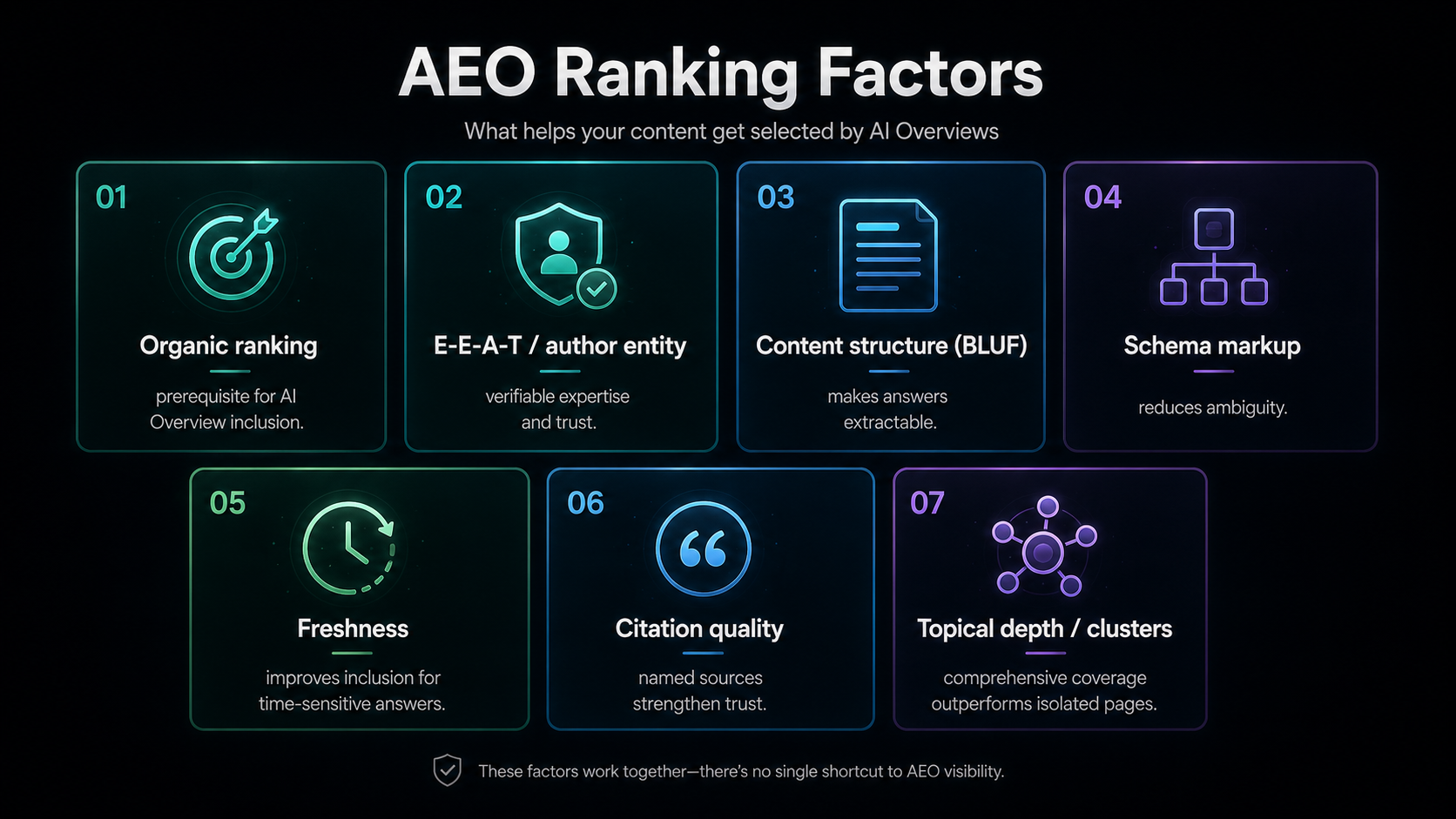
Citation-worthy content reduces uncertainty. It answers one question clearly, contains verifiable information, identifies where important claims came from, and provides enough context to make sense when separated from the page.
The most useful citation passages often follow a simple pattern: direct answer, brief explanation, supporting evidence, limitation or context, and a credible source.
Explore the detailed guide: What Makes Content Citation-Worthy in Generative AI?
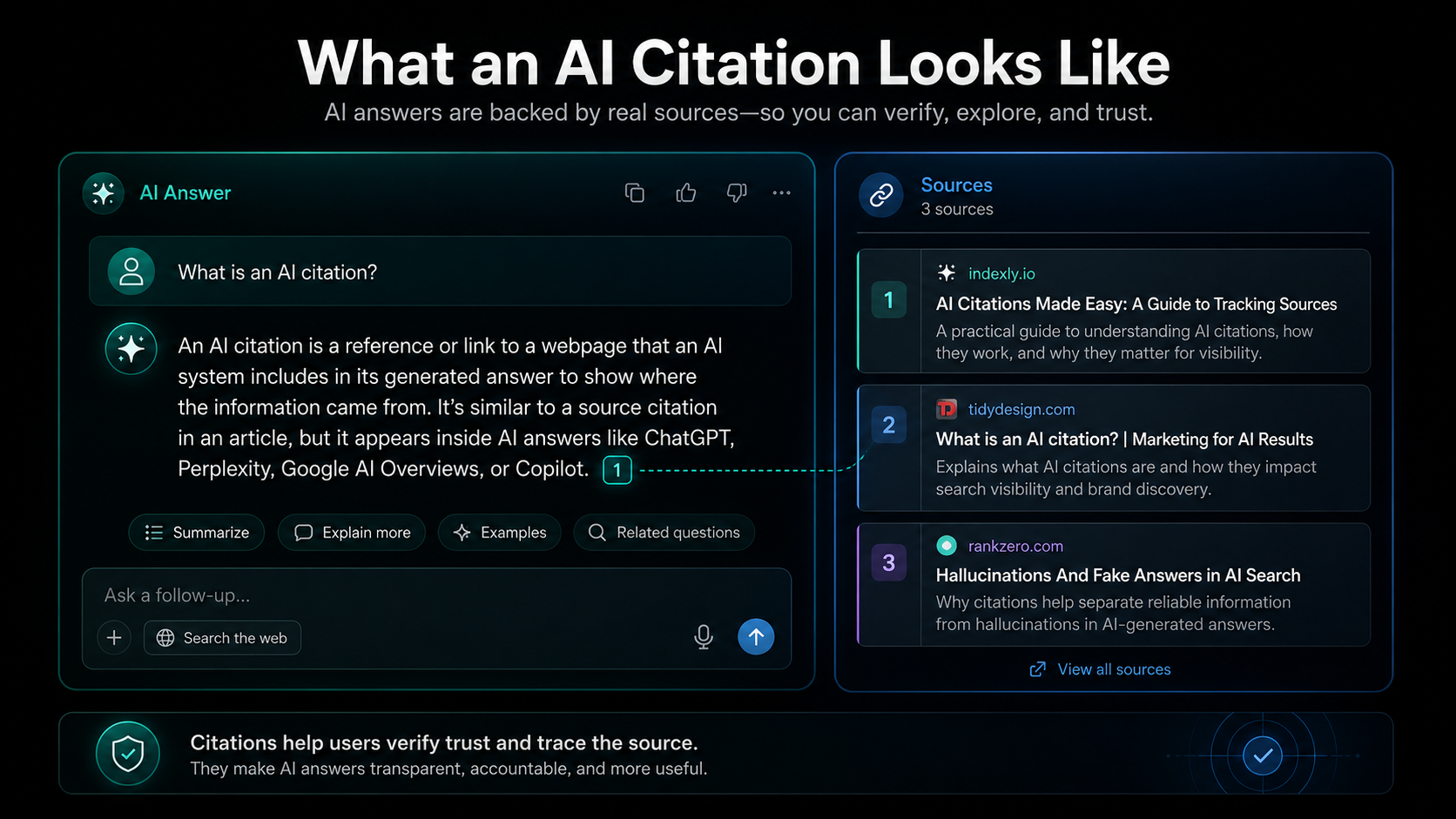
The best citation passage answers one question completely, contains verifiable evidence, and does not require the model to guess what the author meant.
AI Recommended citation principleLead with the answer
Long introductions create extraction friction. The first sentence under an important heading should answer the question. Explanation, examples, and evidence can follow afterwards.
Increase factual density naturally
Factual density does not mean filling every sentence with statistics. It means adding verifiable details at the points where they support an important claim.
Use credible external sources
Academic papers, official documentation, government datasets, industry research, and original studies help generative systems validate your claims. Useful references include the original GEO paper, Schema.org, Google’s structured data introduction, Google’s AI features guidance, and OpenAI’s publisher and developer guidance.
For content execution, see iPullRank’s content guide, Semrush’s checklist, Ahrefs’ AEO guide, and Neil Patel’s generative AI SEO guide.
Authority Signals That Influence AI Citation Selection
Content structure helps a passage get retrieved. Authority signals help the system decide whether that passage is safe and credible enough to rely on.
AI systems can evaluate the author, organisation, external brand mentions, review platforms, linked entities, original experience, and consistency of the company’s information across the web.
Read more: Authority Signals That Influence AI Citation Selection.
How Structured Data and Entity Optimisation Help You Get Cited
Direct answer: Structured data does not guarantee a citation, but it makes important information about the page, author, organisation, topic, and answers easier for machines to interpret consistently.
Schema creates a machine-readable layer over your visible content. It explicitly identifies the author, publisher, article type, questions, answers, services, and relationships between entities.
The visible content and schema must agree. Markup cannot compensate for thin, misleading, or unhelpful content.
For implementation details, compare Google’s Article structured data guidance, Schema.org Article, Person, Organization, FAQPage, and HowTo. Validate the finished markup with the Google Rich Results Test and review the client-recommended AI-friendly schema guide.
See the related guide: How Structured Data and Entity Optimisation Help You Get Cited.
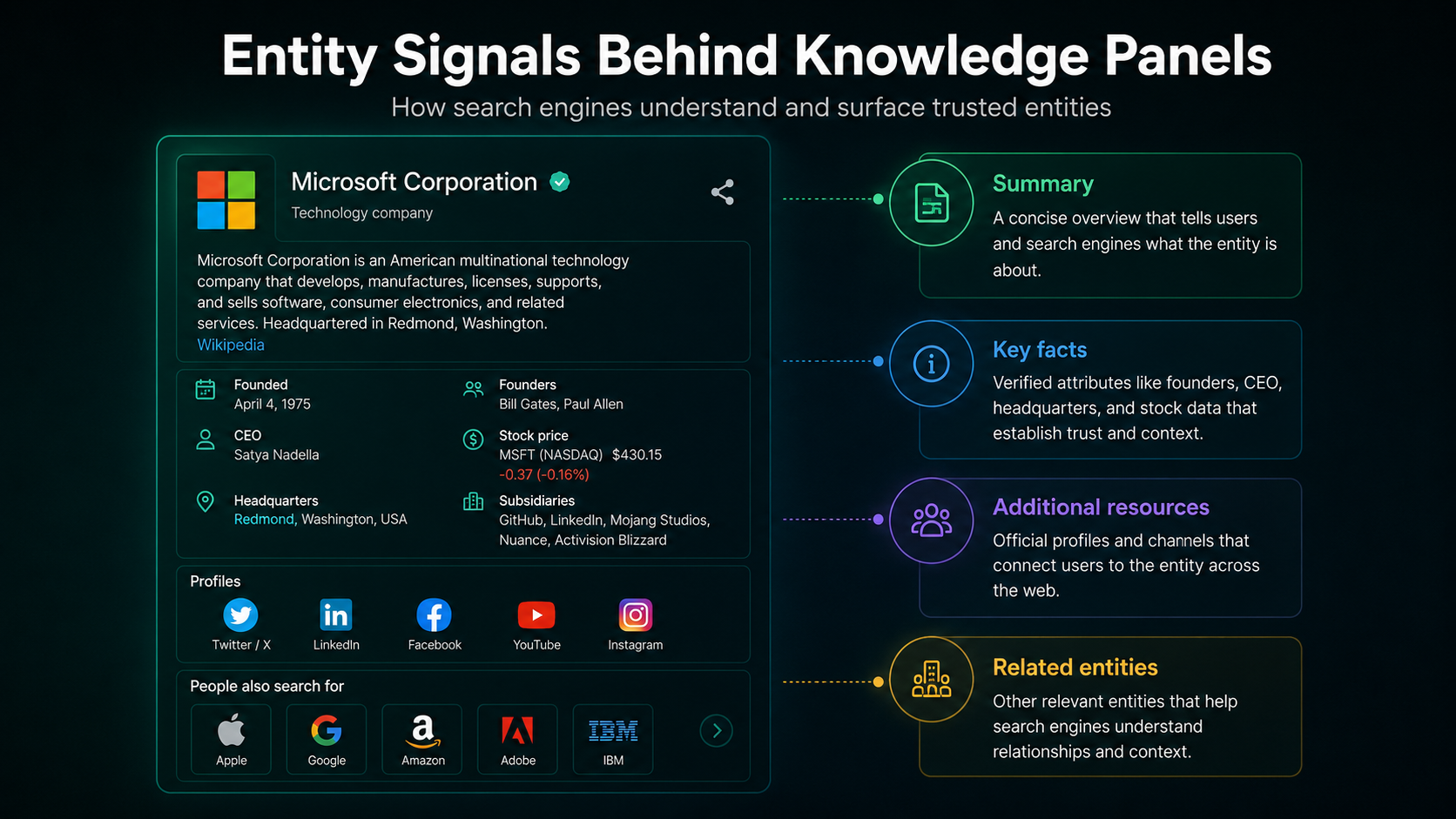
The Four Schema Types That Matter Most
Schema is the packaging. Accurate, useful, answer-first content is the product. Citation readiness requires both.
Citation Optimisation Checklist
| Priority | Action | Why It Matters |
|---|---|---|
| Critical | Allow relevant retrieval bots | Blocked content cannot be retrieved or cited |
| Critical | Start sections with direct answers | Improves extraction and semantic completeness |
| Critical | Add named-source evidence | Reduces uncertainty and supports verification |
| Critical | Implement relevant FAQ schema | Makes questions and answers easier to interpret |
| High | Add Article, Person, and Organisation schema | Clarifies authorship and entity relationships |
| High | Use descriptive question-based headings | Matches natural prompts and retrieval queries |
| High | Keep brand details consistent | Strengthens entity confidence |
| Medium | Earn credible third-party mentions | Provides independent corroboration |
Critical
High Priority
Medium Priority
Why Most Websites Fail to Get Cited
Many sites fail because they optimise complete pages but not the individual passages generative systems retrieve.
Others block retrieval bots, publish unsupported promotional claims, hide authorship, use stale examples, or depend entirely on what their own website says about the company.
Related analysis: iPullRank, Semrush, Ahrefs, and Neil Patel.
Read the full breakdown: Why Most Websites Fail to Get Cited by Generative AI.
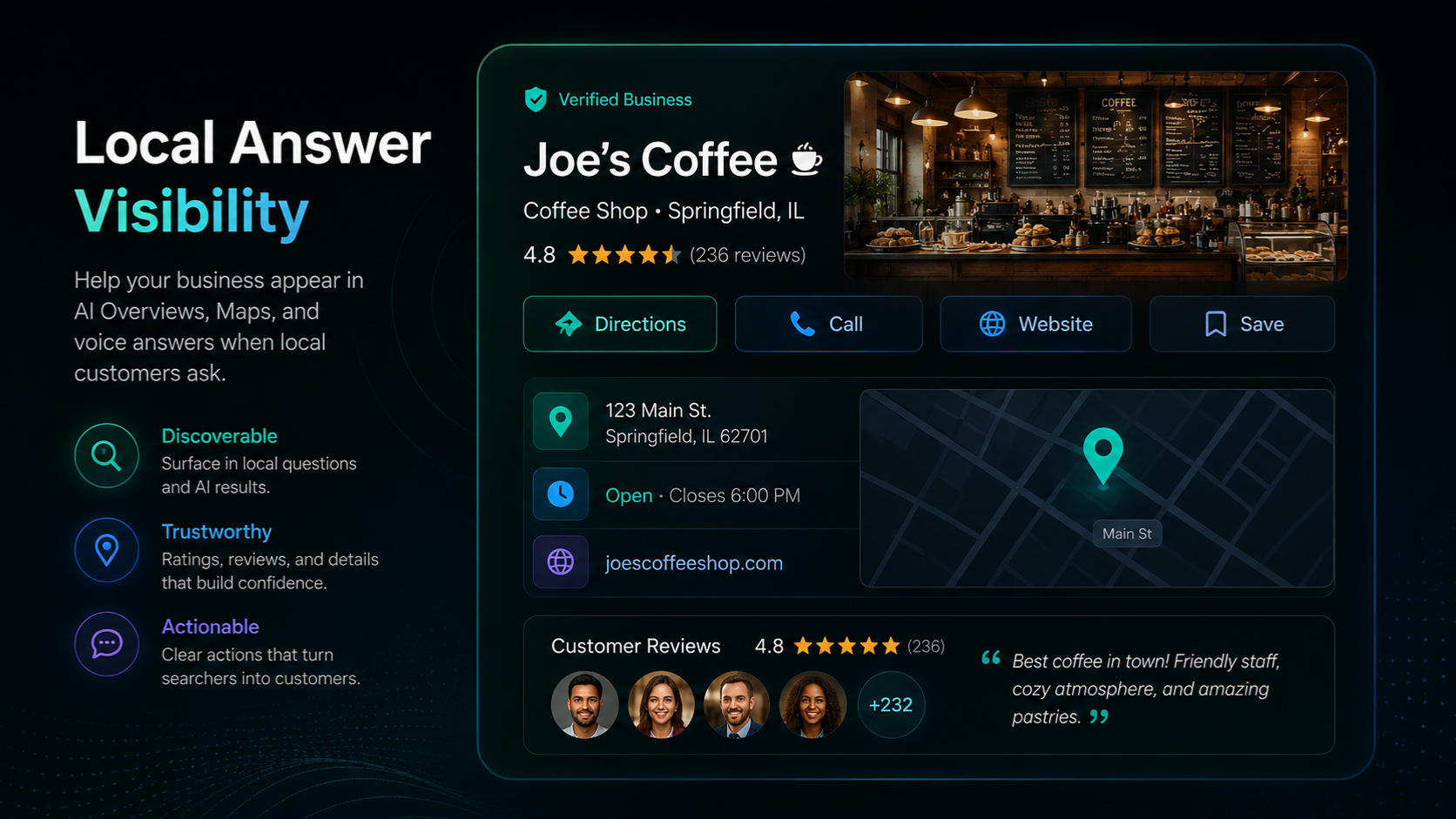
They bury the answer
A competitor whose answer appears in sentence one is easier to extract than a page that hides the same answer several paragraphs later.
They use unsupported claims
Statements such as “we are the leading provider” give the model little useful evidence. Replace them with measurable outcomes, specific services, real clients, named certifications, examples, or externally verifiable facts.
They have no entity layer
Anonymous content without an author page, organisation details, professional profiles, or connected schema creates an avoidable trust gap.
They rely only on their own website
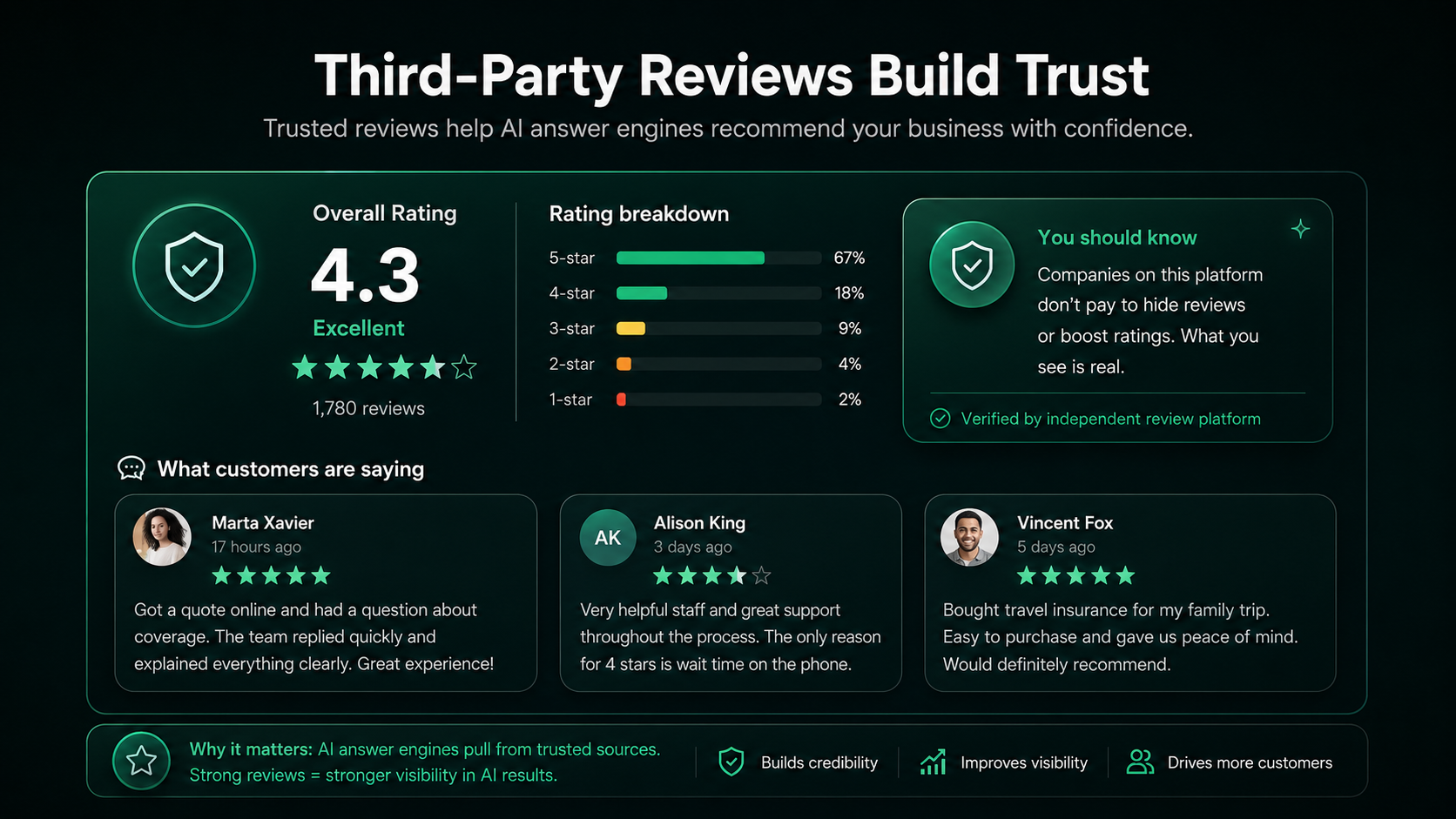
Generative systems often use independent sources to validate what a company says about itself. Earned media, relevant reviews, expert commentary, and credible directories strengthen citation confidence.
Step-by-Step GEO Citation Strategy
Audit your current citation position
Run important buyer questions in ChatGPT, Perplexity, Gemini, Claude, Copilot, and Google AI experiences. Record cited brands, URLs, descriptions, and missing topics.
Fix crawl access
Review robots.txt, CDN rules, security tools, and JavaScript rendering. Strategic public content must be retrievable.
During the crawl audit, check OAI-SearchBot and ChatGPT-User access, PerplexityBot access, Bing sitemap status, and Bing URL submission or IndexNow.
Establish entity clarity
Keep the brand name, category, description, services, and company details consistent across the website and major external profiles.
Implement structured data
Use accurate Organisation, Article, Person, FAQPage, and HowTo markup where relevant. Validate it and keep it aligned with visible content.
Restructure content for extraction
Rewrite section openings as direct answers, shorten long passages, add descriptive headings, and support claims with credible evidence.
Build external corroboration
Earn relevant media mentions, expert commentary, reviews, directory profiles, community references, and links from credible sources.
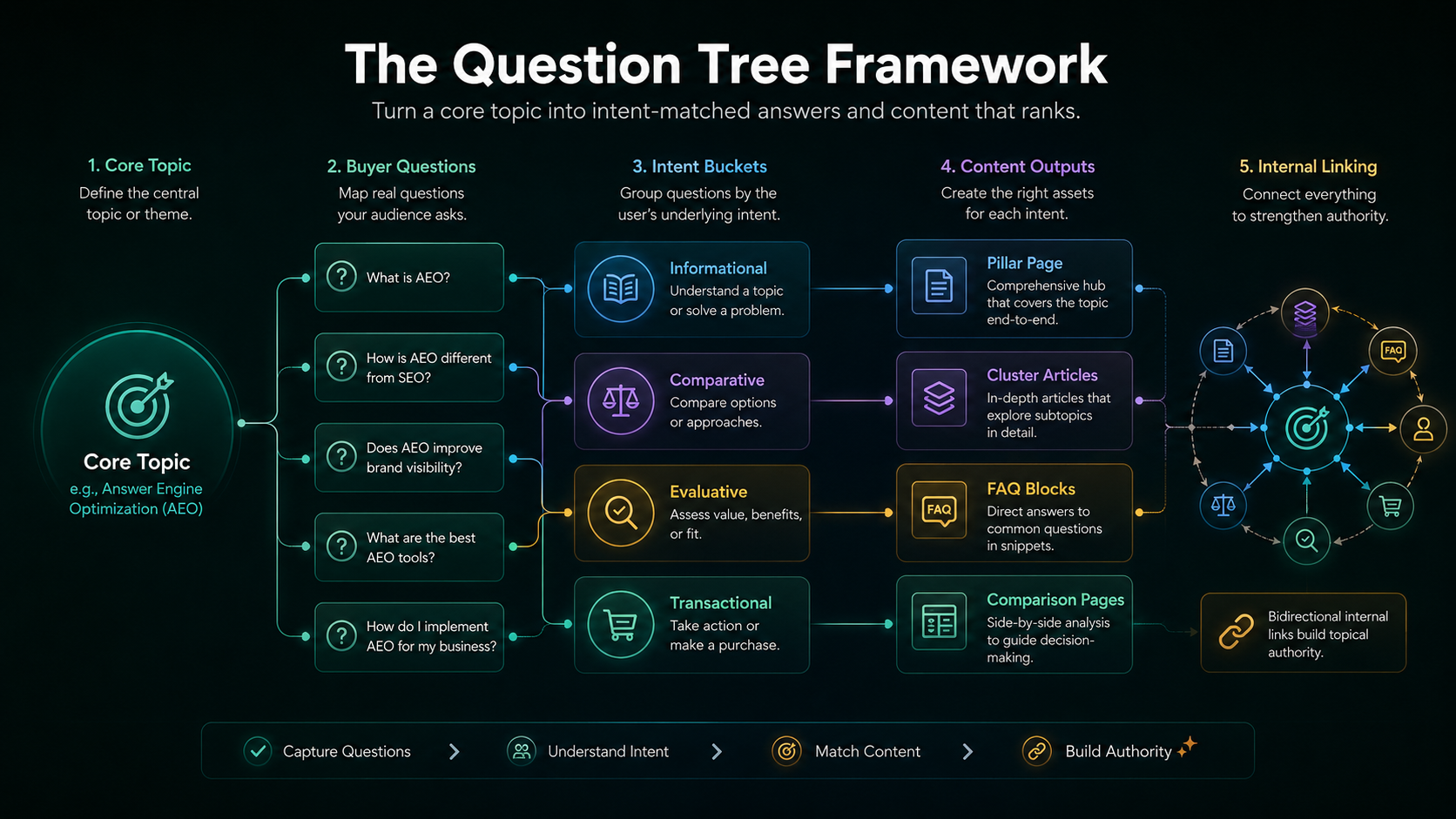
Build a pillar and cluster system
Use a pillar page as the authoritative hub and create supporting pages for comparisons, implementation, mistakes, evidence, and specific buyer questions.
Measure and improve monthly
Test a fixed prompt set every month and track citation share, source pages, competitor visibility, description accuracy, and AI referral quality.
How to Measure AI Citation Performance
Ordinary analytics only show part of the picture. Some platforms send referral traffic, while many valuable mentions and recommendations happen without a click.
OpenAI explains that referrals from ChatGPT search include a utm_source=chatgpt.com parameter, which can be used alongside prompt testing and server logs to separate referral measurement from no-click brand mentions. Review the official publisher FAQ.
Measurement guides: iPullRank, Semrush, Ahrefs, and Neil Patel.
Key Takeaways
- AI citations are selected at the passage level.
- Important sections should begin with a direct answer.
- Specific and attributed evidence improves credibility.
- Schema clarifies authorship, organisation identity, and answer structure.
- Third-party mentions help verify what a brand says about itself.
- Connected pillar and cluster content creates more citation pathways.
- Citation visibility should be measured every month.
Frequently Asked Questions
How do I get my website cited by ChatGPT?
Does schema guarantee an AI citation?
Is domain authority the main citation factor?
How long does it take to earn AI citations?
How often should citation performance be tested?

About the Author
Marcus Hibbert is the founder of AI Recommended, a leading Generative Engine Optimisation (GEO) agency helping UK B2B technology companies become the trusted recommendation across ChatGPT, Google AI Mode, AI Overviews, Gemini, Claude, Perplexity and Microsoft Copilot whenever decision-makers search for products, services and solutions.
Connect with Marcus on LinkedIn.
Request a GEO Audit
Discover how AI platforms describe, cite and recommend your brand across the prompts your ideal buyers use—and uncover opportunities to become AI's trusted recommendation.
By submitting this form, you’re requesting a Generative Engine Optimization (GEO) audit for your brand.

.png)